Solutions · Meeting & Collaboration Spaces
Room standards, by how the space is used.
A standard that repeats is what makes an estate supportable. Six space types cover almost every room an organisation actually builds, and each one answers a different question about seating, audio coverage and who is expected to operate it.
01
Focus & huddle
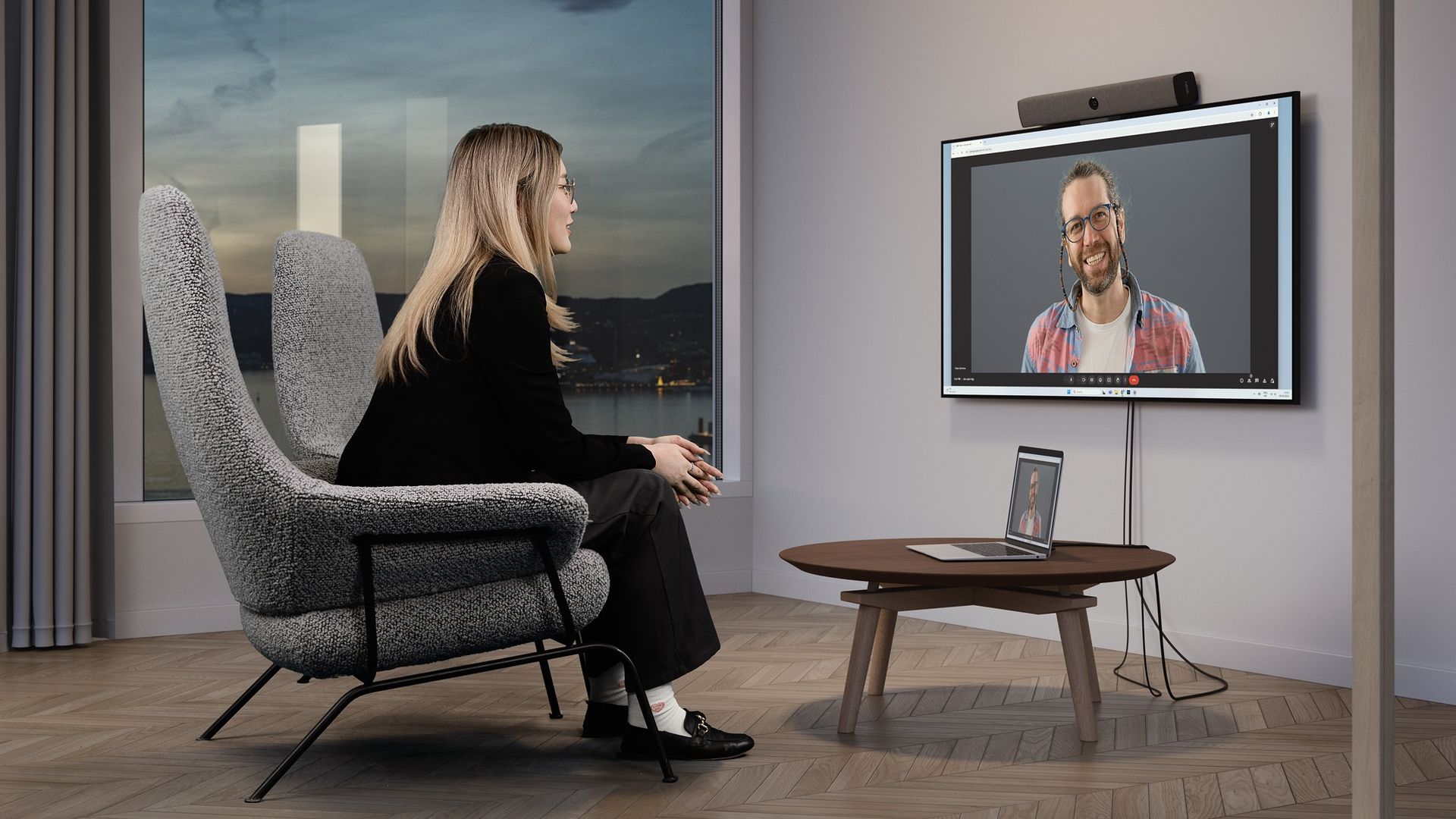
Small spaces where the technology has to disappear. One display, integrated audio and video, and a join sequence short enough that nobody books a larger room to avoid it. These rooms carry more calls than any other type and receive the least design attention.

02
Meeting rooms
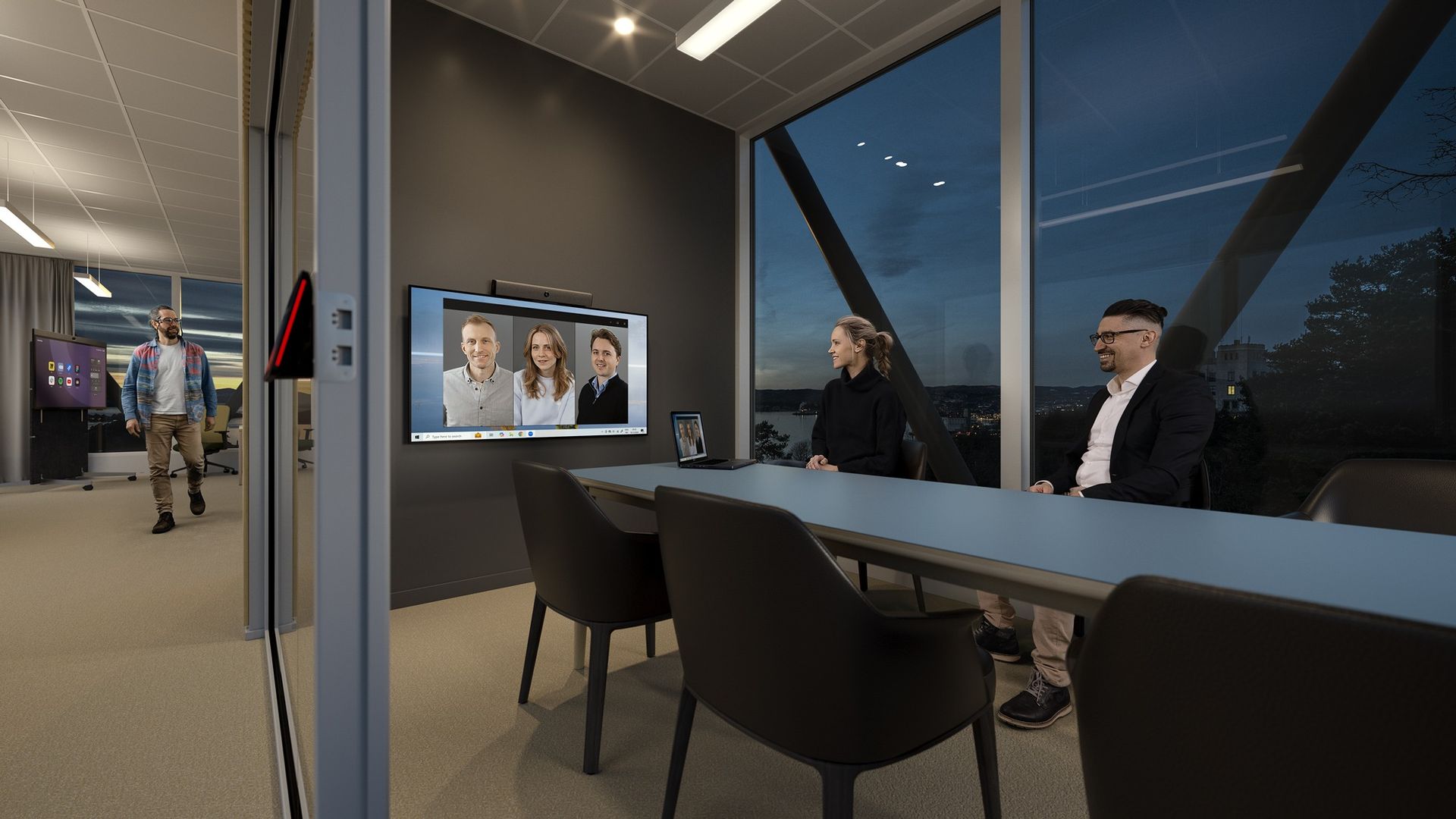
The standard that carries most of an estate. Camera framing that includes the far end of the table, microphone coverage that does not fall away at the ends, and identical behaviour floor to floor so that support and training generalise.
03
Boardrooms
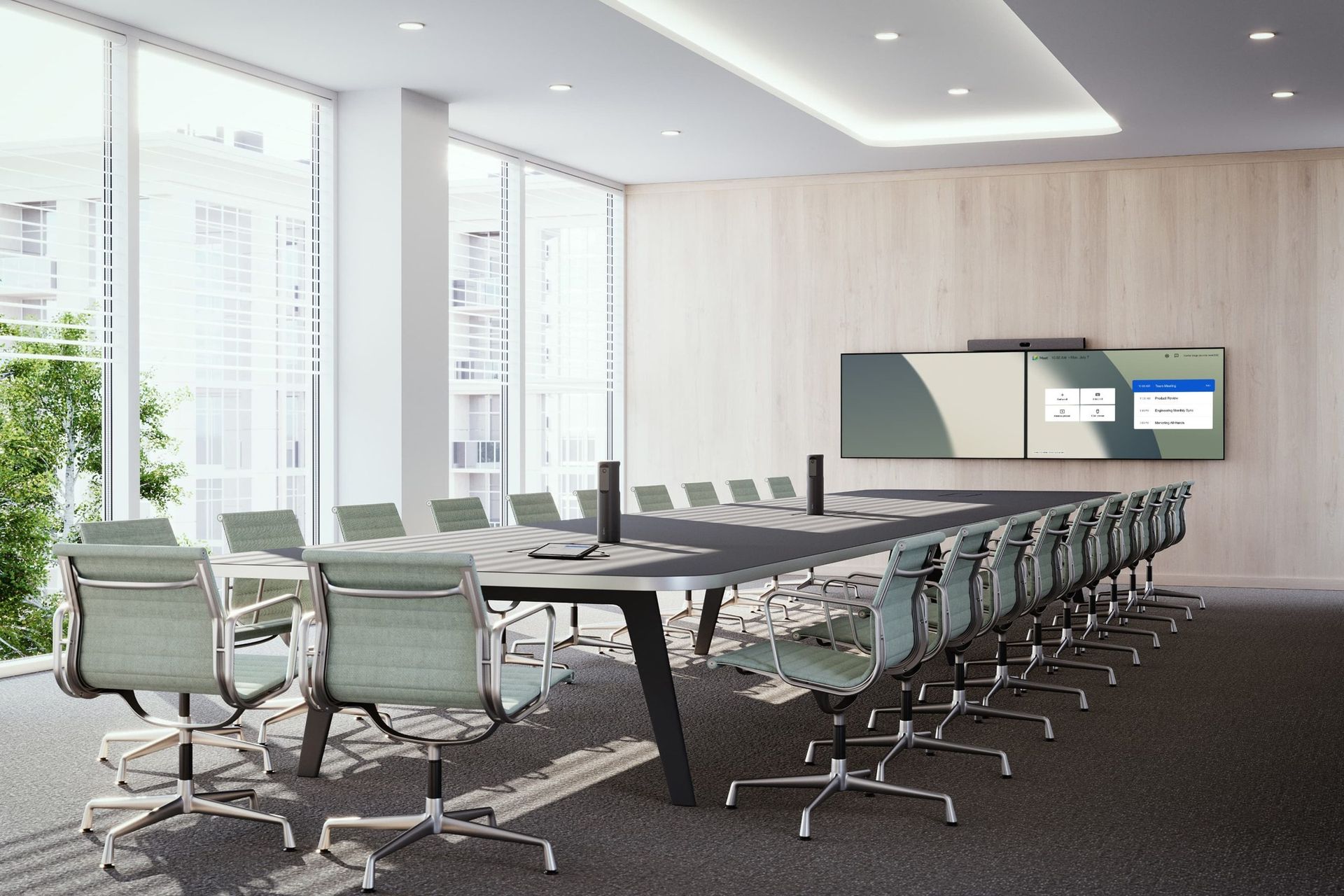
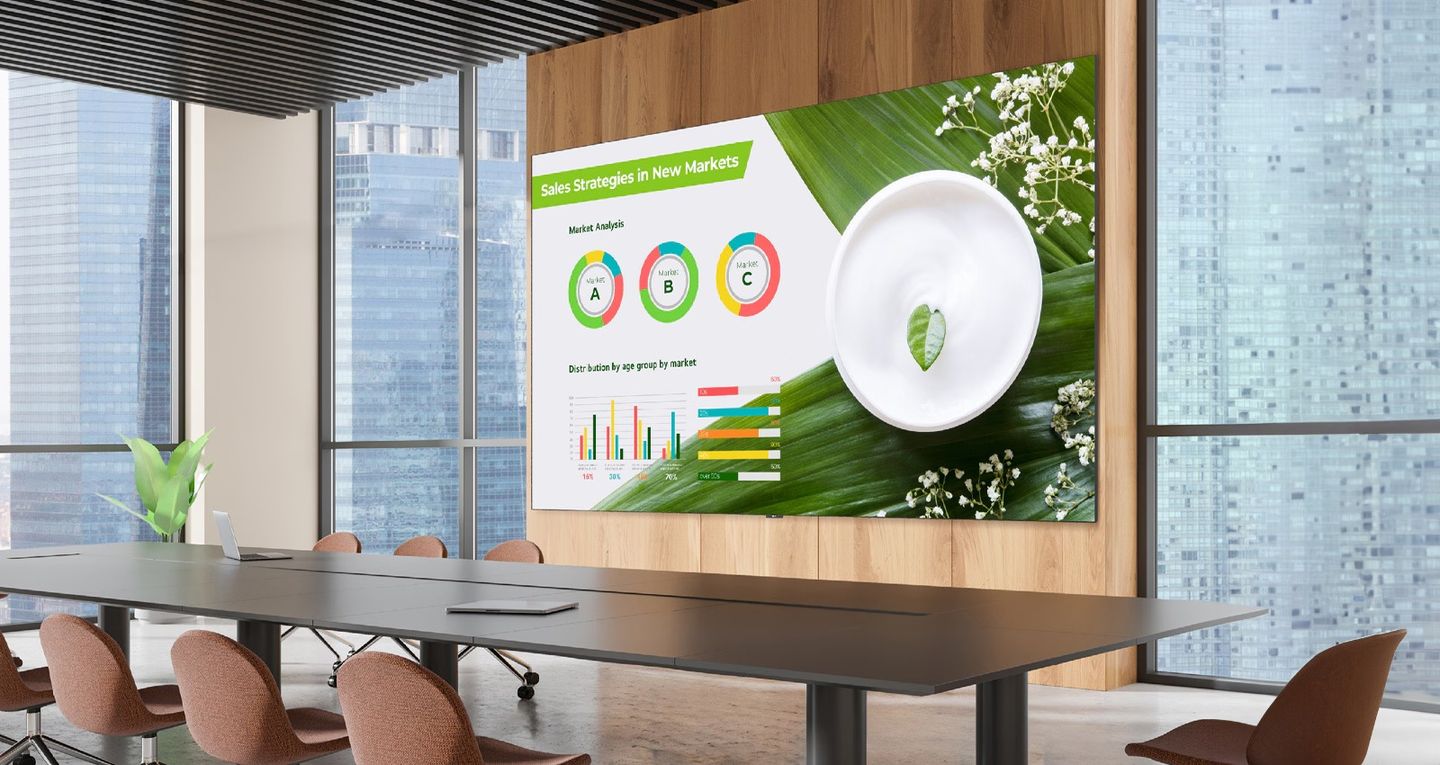
Spaces where a failure is visible to the people least able to work around it. Multi-camera where the seating warrants it, designed rather than assumed audio, integrated control, and a rehearsed path for the meeting that cannot be moved.
04
Training & collaboration
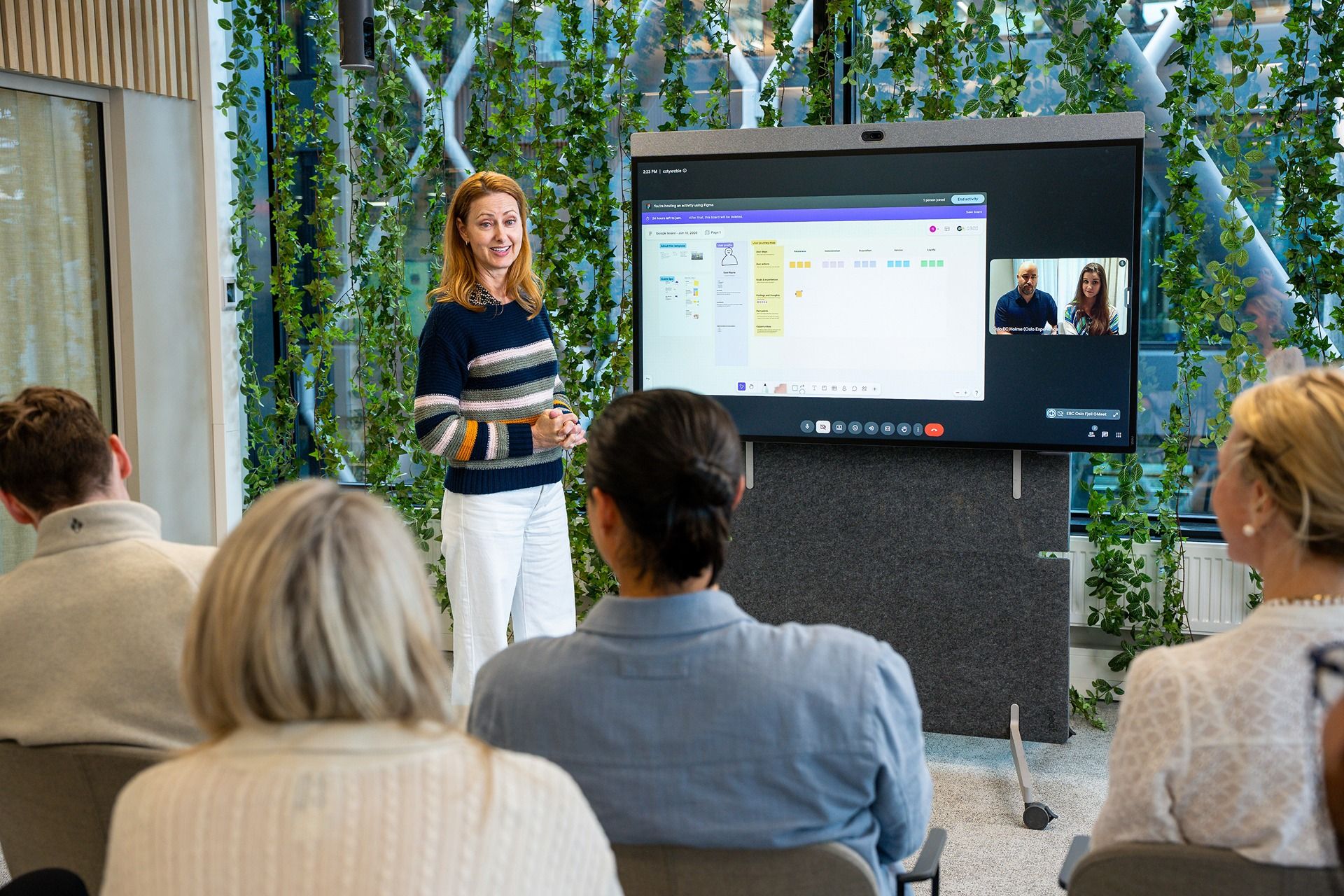
Environments built around a presenter and a room that answers back. Interactive displays, capture and streaming where sessions have to survive past the day they happen, and audio that covers a moving speaker rather than a seated one.
05
Control rooms
Video walls, routing and monitoring for rooms that run continuously. Treated separately because the design question is continuity rather than meeting quality.
06
Public spaces
Reception, corridors and shared floors, where the display is the only thing communicating. Managed as an estate rather than as a set of screens.
01 What a standard contains
A room standard isa document, not a shelf.
Before anything is ordered, each space type resolves to a written standard: what it contains, how it behaves, what it costs to repeat, and what has to be true of the room before it can be built.
Room standards Huddle · meeting · boardroom
Standardise once. Repeat everywhere.
Tell us how many spaces, of which types, and what has to stay working while they change.